
Living Fence Installation in Charleston, SC
Create natural privacy and a greener property line with a custom living fence designed for Charleston's climate, installed by a team that knows outdoor construction.
Request A Quote
Tell us about your property and living fence goals. We'll put together a custom estimate at no cost.
Our Services
Fencing, living fences, hardscapes, enclosures, and more for Charleston homes and businesses.
Completed Projects
Browse photos of fences, outdoor spaces, and living fence installations we've completed in the area.
Natural Fencing Solutions
A New Way to Define Your Property
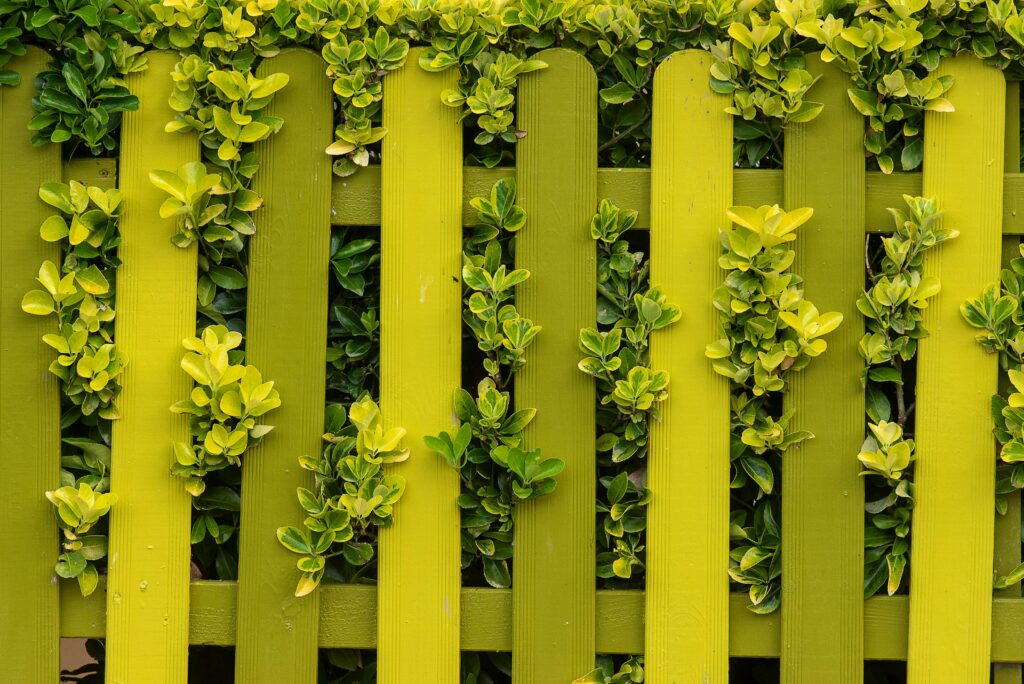
There’s something distinctly different about walking into a yard that’s bordered by living green walls instead of rigid panels. A living fence in Charleston, SC brings that experience to life, turning your property boundary into a feature that grows, breathes, and changes with the seasons.
At Quality Fence & Custom Outdoors, we’ve been building outdoor spaces across the Charleston area for years. We understand that not every project calls for a traditional fence. Some homeowners want something softer, something more organic, and that’s exactly where a natural fencing approach fits in. A living fence gives your yard privacy, character, and a connection to the landscape around it.
This service is especially well suited for homeowners who value their outdoor space and want a boundary that contributes to the overall atmosphere of their property rather than simply marking a line.

What Is a Living Fence?
A living fence is a row of closely planted shrubs, hedges, or trees that form a continuous natural barrier along a property line. Instead of relying on posts and panels, this type of fence uses plant material to create screening, structure, and visual separation between properties or yard zones.
The concept is straightforward but the execution takes planning. Species selection, root spacing, soil preparation, and long-term growth behavior all factor into how well a living fence performs. Done right, a privacy hedge fence in Charleston can stand six to eight feet tall, block sightlines completely, and hold its shape year-round with the right species.
It’s not just a row of bushes. A well-designed living fence is a deliberate installation that requires the same level of planning you’d put into any structural project on your property. That’s why it matters to work with a team that approaches this as contractors, not just planters.
Benefits of a Living Fence
There are practical and aesthetic reasons to go green with your property border. Here’s what a natural fencing solution in Charleston actually brings to your yard.
Real Privacy, Naturally
A mature hedge blocks views just as well as a solid panel fence. Dense evergreen species create year-round screening without the rigid look of traditional materials.
Visual Warmth and Curb Appeal
A green border softens the entire feel of a yard. It adds depth, color, and texture that manufactured fencing simply can't replicate. Buyers notice it too.
Natural Sound and Wind Buffer
Plant material absorbs sound and disrupts wind patterns more effectively than a flat surface. Living fences create a quieter, calmer outdoor space, especially near busy roads.
Supports Local Wildlife
Birds, pollinators, and beneficial insects use hedges for shelter and food. Your fence becomes a contributing piece of the local ecosystem rather than a dead barrier.
Stormwater and Erosion Control
Plant root systems absorb excess water and stabilize soil. In a city like Charleston that sees significant rainfall, this can make a real difference along property edges.
Long-Term Value
Unlike manufactured fencing that depreciates, a living fence actually increases in value as it matures. The older and denser it gets, the more attractive and functional it becomes.
Where Living Fences Work Best
Living fences aren’t a one-size-fits-all solution, but they fit remarkably well into the way Charleston homeowners use their outdoor space. Here are the spots where they tend to make the biggest impact.
Backyard Privacy Borders
This is the most common application. A row of tall evergreens along the rear or side of your yard creates a dense, green privacy wall that makes your outdoor living area feel like its own room.
Property Line Definition
For homeowners who want to define the edge of their lot without the hard visual break of a fence, a living border does the job subtly. It's a popular choice in neighborhoods where fence restrictions apply.
Garden and Patio Screening
If you've invested in a patio or hardscape area, a living fence around it adds intimacy and frames the space in a way that feels intentional and designed.
Pool and Outdoor Living Areas
Living fences work beautifully around pools and outdoor entertainment spaces. Paired with the right structure, they offer privacy while keeping the atmosphere relaxed and open.
Design and Custom Layout Options
Every property is different. Soil conditions, sun exposure, available space, and your specific goals all shape the layout. Here’s what goes into the design process for a living fence in Charleston, SC.

Plant Species Selection
The species you choose determines the height, density, texture, and maintenance level of your living fence. For Charleston properties, we typically work with plants that handle heat, humidity, and occasional hard rain without struggling. Wax Myrtle, Podocarpus, Green Giant Arborvitae, Cherry Laurel, and several varieties of Holly are all strong candidates. Each one has a different growth rate, mature size, and visual character, so the selection is always matched to the specific site.
Spacing and Row Configuration
How far apart plants are placed matters more than most people realize. Too tight, and roots compete for resources. Too wide, and gaps remain visible for years. Proper spacing depends on the species, the desired density timeline, and how much room the root system needs. In some cases, a staggered double row is the right call for thicker coverage.
Height and Growth Planning
We plan living fence layouts with the mature size in mind, not just how things look at installation. A plant that’s three feet tall at planting might reach eight feet within a few seasons. Understanding that trajectory is key to getting the right proportions for your yard without creating future maintenance headaches.
Combining Living Fences with Traditional Fencing
One of the strongest approaches we recommend is pairing living plant material with a built fence. This gives you the best of both worlds: immediate structure with long-term character.
Wood Fence + Green Backdrop
A wood privacy fence gives you instant coverage. Planting a hedge row behind or in front of it creates layered depth and softens the visual weight of solid panels. Over time, the living material grows to partially envelop the fence, creating something much more interesting than either on its own.
Aluminum Fence + Screening Hedge
Aluminum fencing looks clean and works well for security, but it doesn't block views. Adding a living fence layer behind an aluminum border gives you structural strength with the green screening that plants provide. This combo is popular around pools and side yards.
Chain Link + Vine Coverage
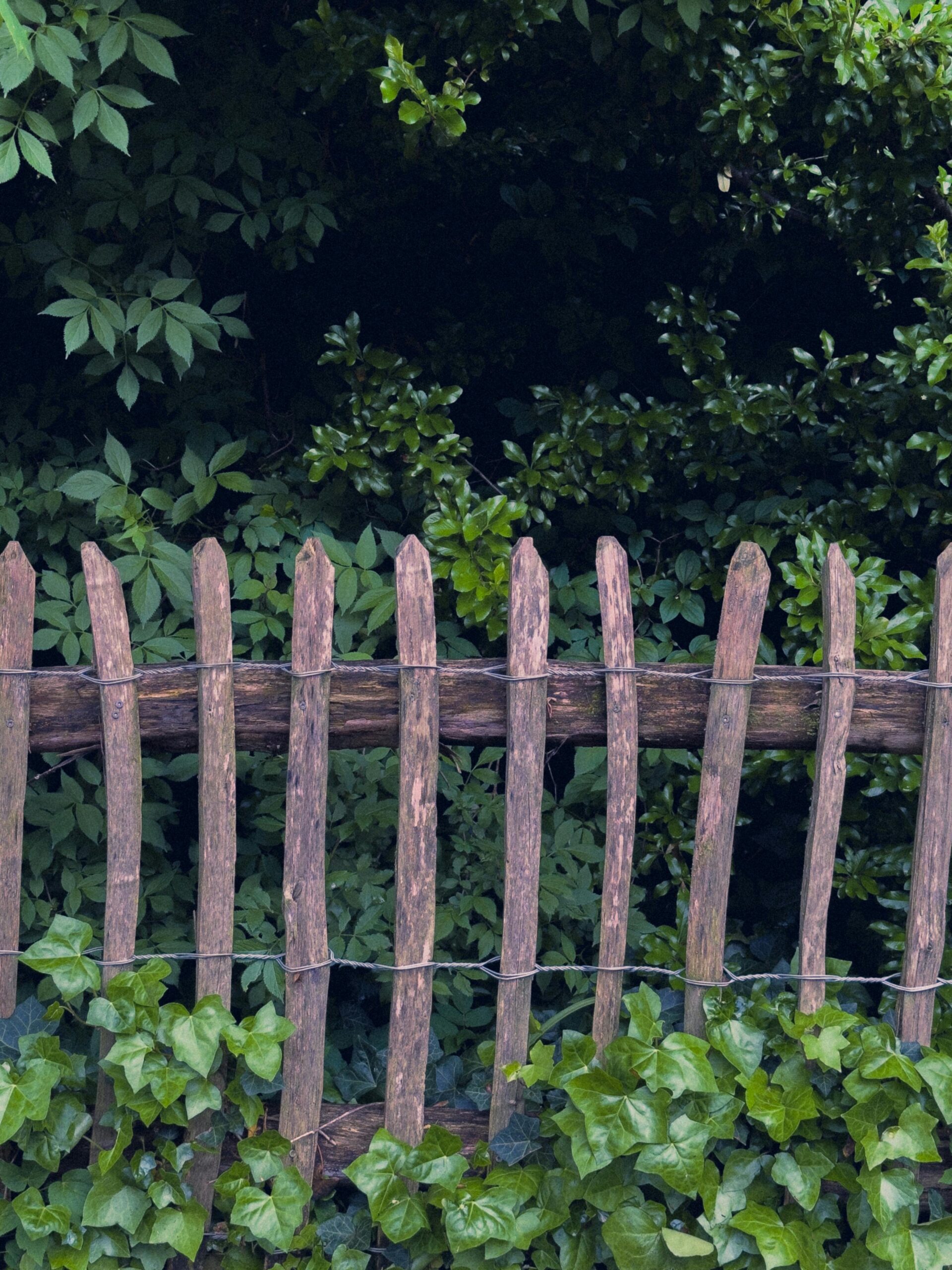
Chain link is economical and functional, but it's not much to look at. Training climbing vines or planting dense shrubs along a chain link fence transforms it into something attractive. The chain link serves as the skeleton, and the plant growth fills in around it for green fence solutions that are affordable and effective.
Built for Charleston's Climate
Charleston’s subtropical climate is actually a major advantage for living fence projects. The long growing season, consistent warmth, and plentiful rainfall mean plants here grow faster and fill in more quickly than they would in most parts of the country.
That said, the environment also presents specific challenges. High humidity can encourage fungal growth on certain species. Salt air near the coast affects plant health in ways that matter for island and waterfront properties. Summer heat spikes can stress newly installed plants if they aren’t properly watered during establishment.
We factor all of this into our species recommendations and site preparation. A living fence installed on James Island might use different plant material than one going in on a lot in Summerville. The soil type changes, the wind exposure differs, and the salt content in the air plays a role. These aren’t details you want to guess at.
Our Approach to Living Fence Projects
We don’t treat this like a drop-and-go planting job. A living fence is an outdoor construction project that requires coordination, preparation, and follow-through.
Site Visit and Assessment
We walk the property with you, look at sun patterns, soil conditions, drainage, and discuss your goals for the space. Nothing starts without understanding the site first.
Design and Species Plan
Based on what we learn, we put together a layout that includes species selection, spacing, row configuration, and growth projections so you know what to expect at each stage.
Ground Prep and Installation
Proper soil work, drainage grading, and root bed preparation happen before anything goes in the ground. Installation is done with the same care we bring to every fence project we take on.
Guidance and Aftercare
We provide clear instructions on watering, mulching, and early maintenance. You'll know exactly what to do during the first critical growing season and beyond.
More Fencing and Outdoor Services in Charleston
Living fences are just one part of what we do at Quality Fence & Custom Outdoors. If you’re exploring different options for your property, we offer a full range of fencing solutions including aluminum fencing for a clean, modern border and wood fence styles that bring traditional warmth to any yard.
Many of our clients pair a living fence with one of our traditional fencing installations, and some go further with hardscape and concrete work or screened enclosures and porches to build a complete outdoor environment. Whatever direction makes sense for your home, we can help you plan it as one connected project.
Let's Plan Your Living Fence
Ready to bring some green into your property line? Get in touch with our team and we’ll start with a conversation about your space, your goals, and the best path forward.
Frequently Asked Questions
Here are some of the questions we get most often from Charleston homeowners considering a living fence.
Most living fences take 2 to 4 growing seasons to reach a dense, full coverage depending on the plant species selected, spacing, and Charleston’s growing conditions. Fast-growing varieties like Leyland Cypress or Wax Myrtle can fill in more quickly, while boxwood and holly may take a bit longer but offer tighter structure over time.
A living fence typically needs trimming once or twice per year to maintain its shape and density. Watering needs are highest during the first year of establishment. Once root systems are in place, most species suited to Charleston’s climate become relatively low-maintenance, needing only periodic shaping and seasonal mulching.
Yes, a mature living fence with the right species can block just as much visibility as a 6-foot wooden privacy fence. Evergreen varieties like Green Giant Arborvitae, Podocarpus, and Cherry Laurel create dense year-round screening that often exceeds the coverage of standard fence panels.
Absolutely. Combining a living fence with a wood or aluminum structure is one of the most popular approaches we work with. The built fence provides immediate privacy and boundary definition, while the plants grow in to soften the look and add depth. This pairing works especially well in backyards and pool areas.
It can be, depending on the plant selection and layout. Columnar species like Sky Pencil Holly or Italian Cypress have a narrow growth habit and fit well in tight spaces. For very narrow corridors, a living fence can be paired with low-profile traditional fencing to create privacy without taking up too much ground space.

