
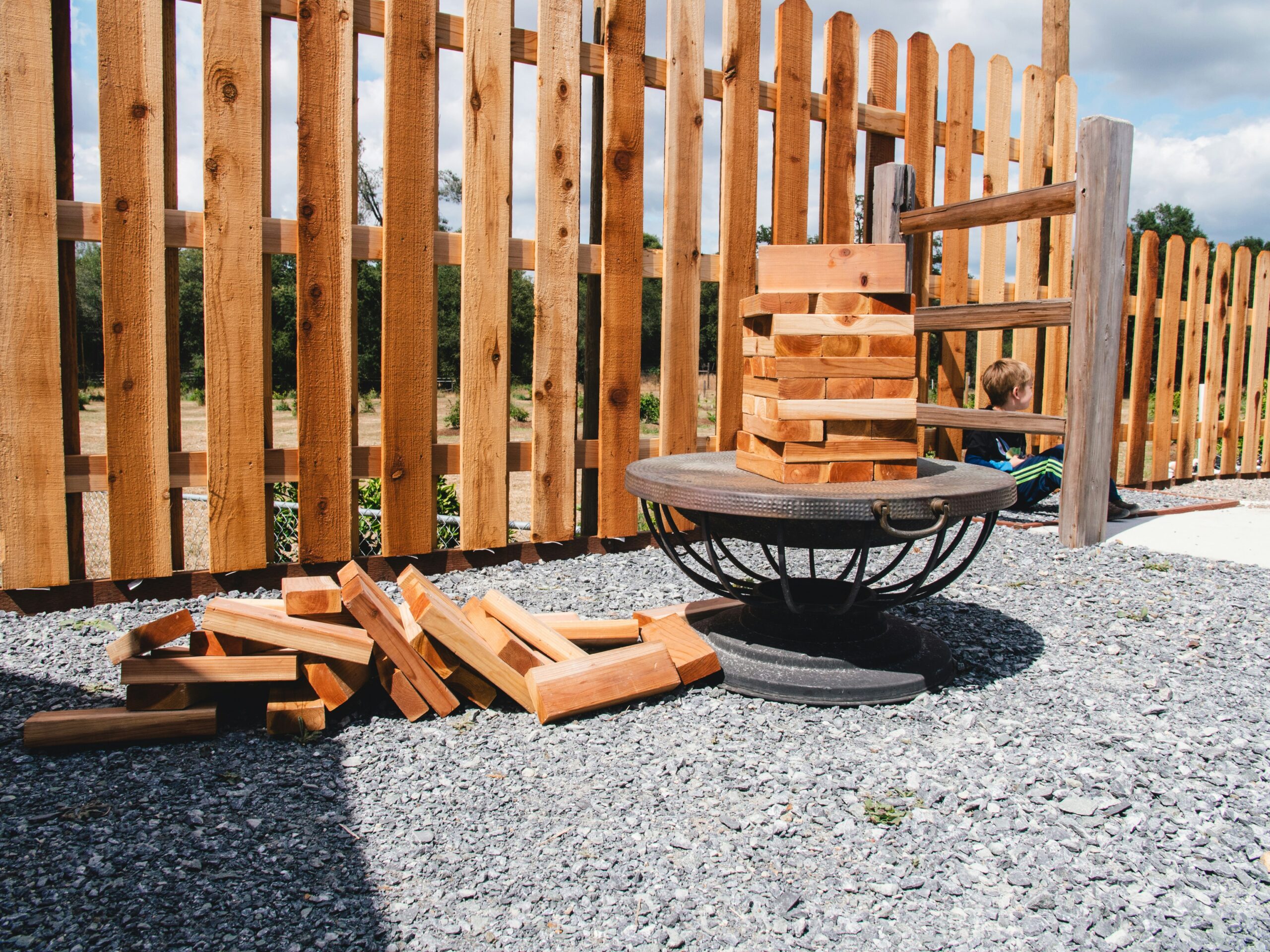
Look, painting a fence isn’t rocket science, but there’s definitely a right way and a wrong way to do it. The difference between a paint job that looks decent for a few months versus one that still looks good five years later? Prep work, the right materials, and not rushing through the actual painting part. If you’re doing this yourself or working with a trusted Charleston, SC fence builder, knowing what actually matters saves you time and money. This guide breaks down what you need to know to get professional-level results without the professional-level price tag.
Wood Fence Preparation
Prep work is boring. Nobody wants to spend their Saturday cleaning and sanding. But skip it and you’ll be out here doing this whole thing again next summer when your paint starts peeling off in sheets.
Start with a deep clean. Pressure washer, if you’ve got one, or a stiff brush with soapy water if you don’t. You’re trying to get rid of dirt, that green mildew stuff, and any old paint that’s already giving up the ghost. Once everything’s clean, walk your fence and actually look at it. Rotting boards? Loose sections? Fix that stuff now. Seriously. Painting over damaged wood just hides the problem for like three months.
Sand everything down next. Yeah, it’s tedious. Start with rougher sandpaper to knock down the really rough spots, then switch to finer grit. You want the surface to be smooth so that paint can actually grip it. Throw down some drop cloths and use painter’s tape to protect anything you don’t want painted – your flowers, the deck, whatever.
Selecting the Right Paint
Here’s where people mess up – they grab whatever’s on sale without thinking about their actual fence. Different woods need different paints. It matters.
Got cedar or redwood? Water-based acrylic is your friend. Cleans up easily, protects well, and dries faster. Pine or spruce? Oil-based holds up better, but takes forever to dry, and the cleanup is annoying. Working with oak or teak and want to show off that wood grain? Semi-transparent stain lets the natural texture come through while still protecting against the weather.
Don’t cheap out on paint. The $15 bucket might seem smart until you’re repainting in two years instead of five. Get outdoor-specific fence paint. It’s formulated to handle sun, rain, and temperature swings without falling apart.
Essential Tools and Materials
You need the right stuff before you start. Nothing kills momentum like realizing halfway through that you’re missing something and having to stop for a hardware store run.
Grab quality brushes for edges and detail work. Rollers for the big flat sections, so you’re not out there all weekend. Painter’s tape for clean lines. Wood cleaner to strip all the gunk off before you paint. Sandpaper in a couple of different grits. And actual outdoor fence paint – not interior wall paint, not deck stain, fence paint.
That’s really it. Don’t overthink the tools part.
Proper Application Techniques
Technique matters more than people think. You can have the best paint in the world and still end up with a mess if you apply it incorrectly.
Wait for your fence to be completely dry before painting. Not damp. Not “mostly dry.” Actually dry. Otherwise, you’re trapping moisture under the paint, and that causes all kinds of problems down the road.
Use smooth, even strokes. No random directions. Follow the wood grain – it gives you that clean, professional look instead of obvious brush marks going every which way. Work in sections instead of bouncing around. Finish one area completely before moving to the next.
Don’t overload your brush or roller. More paint doesn’t mean better coverage; it means drips and runs. Thin, even coats beat one thick, goopy coat every time.
Maintenance Tips for Longevity
Painted fences need some basic upkeep. Not much, but ignoring them completely means you’re back to square one sooner than you want.
Check your fence a couple of times a year. Look for peeling spots, cracks forming, or mold starting to grow. Catch this stuff early, and it’s a quick fix. Let it go, and you’re talking major repair work.
Wash it down once or twice a year. Just soap and water. Gets rid of dirt and grime that slowly breaks down paint. After big storms, walk the fence line and make sure nothing got damaged. Touch up problem spots right away instead of waiting.
Basic maintenance like this adds years to your paint job. It’s way easier than redoing the whole thing.
Enhancing Curb Appeal
Your fence doesn’t have to be just functional. Small touches make a big difference in how your whole property looks.
Decorative post caps, lattice work, or hanging planters add personality without costing much or taking much time. Think about your color choice too – does it work with your house or fight against it? A fence that complements your home’s exterior ties everything together visually.
Plant stuff along the fence line. Shrubs, flowers, climbing vines – whatever fits your style. Softens the hard edges and makes the fence look like part of the landscape instead of just a barrier. These little details separate a basic paint job from one that actually makes your property stand out.
Related Topics: